
.jpg?v=c8fb5b4bff522b52b4aa0ca94d62ce1d)
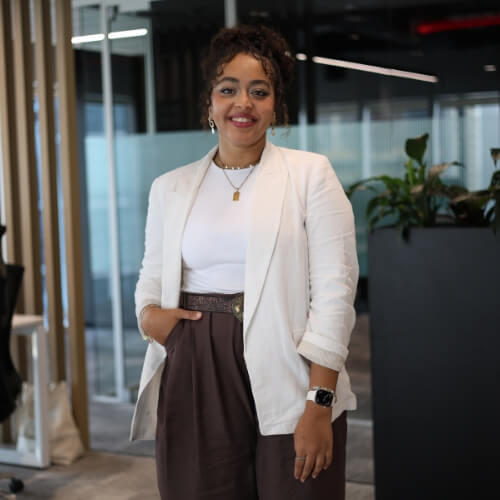
Beyond Checklists: How Reham Fawaz Turns Everyday Project Friction into Better Ways of Working
Follow us




Salary
-
Location
Dubai
Experience level
Mid-Senior Level
Job Function
Site supervision
Location
Dubai
Job Family
Site Supervision
Type of Contract
Permanent Contract
Brands
U+A
Description
We are seeking a detail-oriented and analytical Senior Planning Engineer to join our team in Dubai, United Arab Emirates. As a Site Planning Engineer, you will play a crucial role in ensuring the effi
Reference
df0e0345-3c34-48d1-ae90-125659fc7588
Expiry Date
01/01/0001
 Read more
Salary
-
Location
Dubai
Experience level
Mid-Senior Level
Job Function
Architecture
Location
Dubai
Job Family
Architecture
Type of Contract
Permanent Contract
Brands
U+A
Description
We are seeking a detail-oriented and analytical Structural Inspector to join our supervision team in Dubai, United Arab Emirates. In this role, you will play a critical part in ensuring that all struc
Reference
bc7691ef-c5c9-4383-8769-071c2d733bf1
Expiry Date
01/01/0001
Read more
Salary
-
Location
Dubai
Experience level
Mid-Senior Level
Job Function
Architecture
Location
Dubai
Job Family
Architecture
Type of Contract
Permanent Contract
Brands
U+A
Description
We are seeking a detail-oriented and analytical Structural Inspector to join our supervision team in Dubai, United Arab Emirates. In this role, you will play a critical part in ensuring that all struc
Reference
938a43ac-9f2b-4c42-9d9b-44d5dfcf2a3d
Expiry Date
01/01/0001
Read more
Salary
-
Location
Dubai
Experience level
Mid-Senior Level
Job Function
Architecture
Location
Dubai
Job Family
Architecture
Type of Contract
Permanent Contract
Brands
U+A
Description
We are seeking a detail-oriented and analytical Structural Inspector to join our supervision team in Dubai, United Arab Emirates. In this role, you will play a critical part in ensuring that all struc
Reference
ad2945e8-c33c-40b0-a0a4-d7f5de2f1a82
Expiry Date
01/01/0001
Read more
Salary
-
Location
Dubai
Experience level
Mid-Senior Level
Job Function
Architecture
Location
Dubai
Job Family
Architecture
Type of Contract
Permanent Contract
Brands
U+A
Description
We're looking for a detail-oriented and analytical Architectural Inspector to join our team in Dubai, United Arab Emirates. In this role, you will be responsible for conducting comprehensive inspectio
Reference
8718db39-d1f4-4915-97e0-22f86b6791af
Expiry Date
01/01/0001
Read more
Salary
-
Location
Abu Dhabi
Experience level
Mid-Senior Level
Job Function
Health, Safety and Security
Location
Abu Dhabi
Job Family
Health, Safety and Security
Type of Contract
Permanent Contract
Brands
U+A
Description
We are seeking a highly skilled and experienced HSE Engineer to join our site team in Abu Dhabi.Key Responsibilities: Ensure the Contractors implement and follow the approved HSE Plan and various proc
Reference
0c8e666a-cfcc-4253-a7de-f1ec5ce95cb9
Expiry Date
01/01/0001
Read more
Salary
-
Location
Dubai
Experience level
Mid-Senior Level
Job Function
Site supervision
Location
Dubai
Job Family
Site Supervision
Type of Contract
Permanent Contract
Brands
U+A
Description
We are seeking a detail-oriented and analytical Mechanical Inspector to join our site supervision team in Dubai, United Arab Emirates. In this role, you will be responsible for conducting thorough me
Reference
13f8dd58-0c8e-4968-96e3-3557d7e869e8
Expiry Date
01/01/0001
Read more
Salary
-
Location
Abu Dhabi
Experience level
Mid-Senior Level
Job Function
Architecture
Location
Abu Dhabi
Job Family
Architecture
Type of Contract
Permanent Contract
Brands
U+A
Description
The Site Architect role is a critical position responsible for ensuring the highest standards of architectural integrity and project compliance. The successful candidate will be entrusted with the fol
Reference
cad17e17-a9fd-4d15-8afc-5617a5c54a59
Expiry Date
01/01/0001
Read more
Salary
-
Location
Dubai
Experience level
Mid-Senior Level
Job Function
Architecture
Location
Dubai
Job Family
Architecture
Type of Contract
Permanent Contract
Brands
U+A
Description
Responsibilities:Conduct thorough inspections of architectural elements, including walls, drywall, doors, windows, and other finishes to ensure compliance with building codes, standards, and project s
Reference
830f08bc-d159-48b6-92a9-dbc05d238270
Expiry Date
01/01/0001
Read more
Salary
-
Location
Abu Dhabi
Experience level
Mid-Senior Level
Job Function
Site supervision
Location
Abu Dhabi
Job Family
Site Supervision
Type of Contract
Permanent Contract
Brands
U+A
Description
We are seeking a highly skilled Senior Mechanical Engineer to join our team in Abu Dhabi. In this critical on-site role, you will lead mechanical engineering projects and team, oversee installations,
Reference
25a44503-df93-4299-a10a-8a0fd4510b8f
Expiry Date
01/01/0001
Read more

Teaser
ArticleContent Type
TestimoniesPublish date
09/16/2026
Summary
The Four Pillars of Project Delivery: Design, Technical, Information, and Management Excellence by Von Medina, Senior Interior Architect at U+A Architecture is often understood through i


Teaser
InterviewContent Type
TestimoniesPublish date
08/27/2026
Summary
The Landscapes We Inherit: The Wild Things We Cannot Design with Mohamed Raza Raza Mohamed, BLA (Hons), is a Landscape Architect and Planner with 10 years of experience desig

Teaser
ArticleContent Type
TestimoniesPublish date
08/18/2026
Summary
The Machine That Calculates and the Machine That GuessesWritten by Martin Pretorius, Senior Architect at U+AWhen people talk about AI in architecture, they usually start with images.

Teaser
InterviewContent Type
TestimoniesPublish date
08/14/2026
Summary
Learning Across Cities: What Tehran, London, and Dubai Taught Mamali About Architecture Mamali is a Project Director at U+A with excellent team-leading and communication skill

Teaser
InterviewContent Type
TestimoniesPublish date
07/22/2026
Summary
Designing for the Senses with Hala Mohamed: The Relationship Between Materiality, Memory, and Emotion Hala Mohamed is a Senior FF&E Designer at U+A with experience across hosp
.jpg)
Teaser
ArticleContent Type
TestimoniesPublish date
07/06/2026
Summary
Built for Today, Designed for Tomorrow Sustainability in architecture today is no longer an added value; it is a fundamental responsibility. As the built environment continues t

Teaser
Tst Company updateContent Type
TestimoniesPublish date
06/11/2026
Summary
Cobus Terblanche: A Human Centric Processes: The Value of Collaboration in a Profession Defined by Constant Change, Conflicting Demands, and High-Stakes Decisions Cobus Terbla
.jpg)
Teaser
ArticleContent Type
TestimoniesPublish date
06/11/2026
Summary
Designing with Purpose: The Role of Materiality and Color in Design Each successful interior space is a blend of the right materials with careful planning. Materials are
.jpg)
Teaser
InterviewContent Type
TestimoniesPublish date
05/14/2026
Summary
The Subtle Art of Making Spaces Feel Effortless with Zoya Khan Zoya Khan is an Interior Designer at U+A, bringing a strong architectural foundation and over four years of expe
.jpg)
Teaser
ArticleContent Type
TestimoniesPublish date
05/04/2026
Summary
Built to Feel: The Emerging Science of Neuroarchitecture Think of a place you often visit that instantly makes you feel happy or at ease the second you enter it. Now thi